
Understanding gambling A beginner's guide to the basics
What is Gambling?
Gambling is the act of risking money or valuables on an event with an uncertain outcome, primarily for the purpose of winning additional money or material goods. This activity can take various forms, including betting on sports, playing card games, and engaging in games of chance like slots or roulette. The thrill of gambling often comes from the risk involved, as players seek not only entertainment but also the possibility of winning big. In Australia, many players prefer dealing with reliable sites where they can safely use options like neosurf casino australia for transactions.

The concept of gambling is deeply rooted in human history, with evidence of such activities dating back thousands of years. Today, it is a widely accepted form of entertainment in many cultures around the world, often regulated by governments to ensure fairness and protect consumers.
Types of Gambling
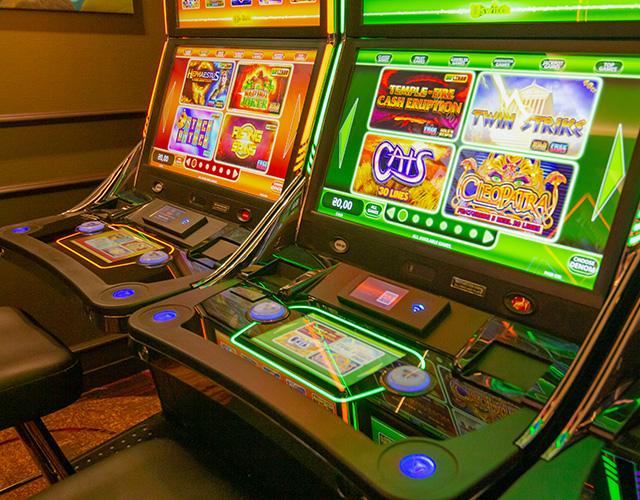
There are several different types of gambling, each offering unique experiences. One of the most popular categories is casino gambling, which includes games like poker, blackjack, and slot machines. These games are often found in physical casinos, as well as online platforms, attracting players of all skill levels.
Another common type is sports betting, where individuals wager on the outcome of various sports events. This can range from betting on individual games to more complex wagers involving multiple outcomes. Additionally, lotteries and bingo games provide another avenue for those looking to try their luck in a chance-based format.
The Psychology of Gambling
Understanding the psychology behind gambling can help clarify why many people are drawn to it. The anticipation and excitement that come from placing a bet can trigger a rush of adrenaline, leading to a heightened state of pleasure. This emotional response often encourages players to continue gambling, sometimes even beyond their means.
Moreover, cognitive biases play a significant role in gambling behavior. Many players believe they can predict outcomes or have “lucky” streaks, leading to a false sense of control over the games they play. Recognizing these psychological factors is crucial for anyone looking to approach gambling responsibly.
Responsible Gambling Practices
As enticing as gambling can be, it is essential to engage in it responsibly. Setting clear limits on time and money spent can help mitigate the risks associated with gambling. Many organizations advocate for responsible gambling practices, encouraging players to view gambling as a form of entertainment rather than a way to make money.
Moreover, understanding the odds and house edge of various games can empower players to make informed decisions. Resources are available to help individuals who may be struggling with gambling addiction, emphasizing the importance of seeking help when necessary.
Conclusion and Resources
For those interested in learning more about gambling and improving their understanding of the basics, various resources are available online. These can provide comprehensive insights into different games, strategies, and responsible gambling practices. With the right knowledge, individuals can enjoy the thrill of gambling while minimizing risks and ensuring a safe experience.
Exploring reputable platforms that offer responsible gambling information can enhance your gaming experience. By staying informed and practicing self-control, you can make the most of your gambling endeavors while enjoying the excitement it brings.